There's a very strange thing that happens when an industry starts to become incredibly relevant to national security: There's talk of spy movie-sounding tech like tracking and remote disablement. And no, I'm not talking about PC gaming—this is, of course, about Nvidia's AI chips and the potential that they could end up in China's hands.
According to , such remote tracking and disablement might actually be on the cards, if a bill planned by Democrat Representative Bill Foster comes into effect. The bill would have AI chips like Nvidia's be made in such a way that the country could keep a rough track of where they end up, and potentially even prevent them from booting if they're tracked to a restricted country.
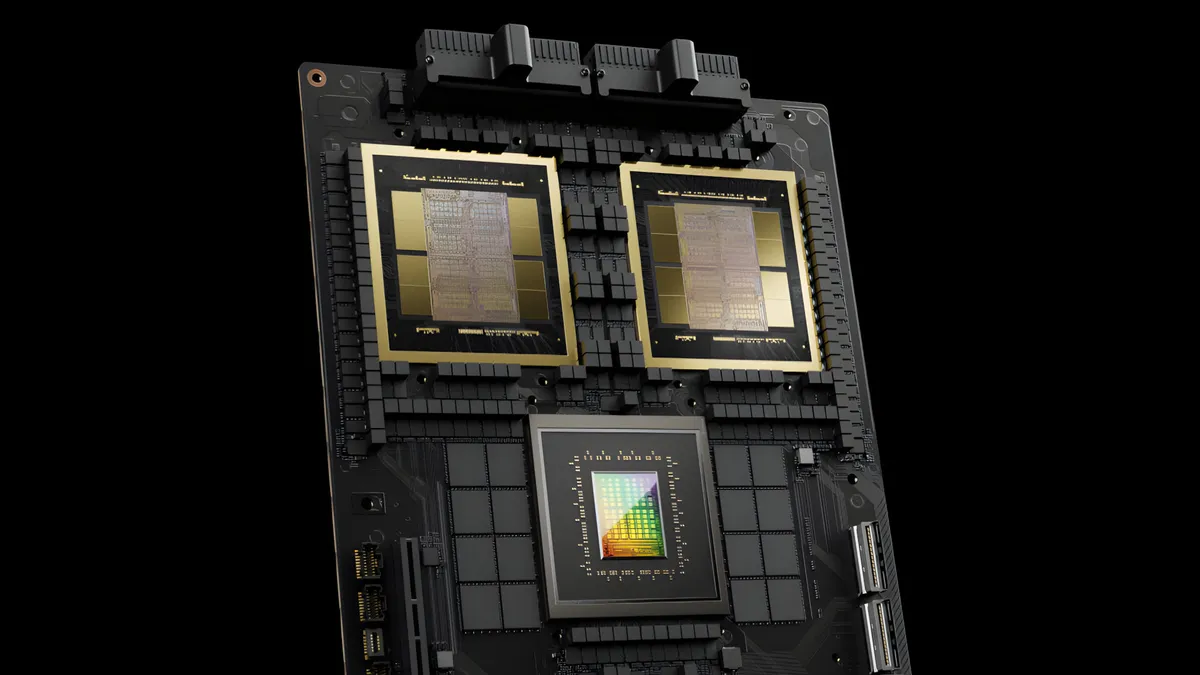
Despite Nvidia's to "accelerate the diffusion of American AI technology around the world," it seems unlikely the US will ease up on restrictions. This, of course, will eat into the company's profits; it's that, as a result of chip licensing restrictions, "first quarter results are expected to include up to approximately $5.5 billion of charges associated with H20 products for inventory, purchase commitments, and related reserves."
Despite of China's extravagant smuggling operations, there does seem to be reason for the US to worry. We've already seen that restricted chips have ended up in China's hands, a fact that might, for instance, already cost TSMC over $1 billion after . And when Nvidia is saying that "China is right behind us" in the AI race, it's no wonder US lawmakers are concerned.
Whether to restrict exports is a policy issue, however. What's in question here is implementation: How can the US ensure export restrictions PIGSPIN เครดิตฟรี 100 are adhered to?
: The best speedy storage today.
: Compact M.2 drives.
: Huge capacities for less.
: Plug-in storage upgrades.
The latest planned bill would propose tracking as a solution to this problem, which would apparently mean having the chips communicate with a server that measures how long it takes for the signal to travel back to it. This would then give the US a rough idea of where the chip is, ie, which country it's in.
Remote disablement would, of course, be a different story. It's hard to imagine how such a thing could work in practice in a way that couldn't be circumvented. But I'm also sure the state's technological capabilities when it comes to national security are far beyond what we would normally assume, so perhaps it wouldn't be impossible.
While part of me is sceptical that any measures such as this, even if implemented well, could make it impossible for China to get its hands on working chips, I suppose the US would just have to make it difficult enough that the country stops bothering trying to do so. Which might work out the best all-round, considering anyway.
Nvidia might be the only loser in the arrangement. But somehow I think the chip behemoth—currently the after Apple and Microsoft—will be just fine. Jensen Huang won't have to give up his any time soon.