If you're anyone other than President Donald Trump, there's a good chance you're sick of the word tariff. I know I am. Well, sorry to be the bearer of bad news (and words) because, on July 31, an executive order was signed to impose 'reciprocal tariffs' on a whole host of countries. Though , the same has not been announced for Taiwan, which produces much of the world's semiconductor supply.
In an executive order entitled "", Donald Trump announces an amendment to Executive Order 14257, which was signed on April 2, 2025. Citing these original tariffs, the executive order says, "I found that conditions reflected in large and persistent annual U.S. goods trade deficits constitute an unusual and extraordinary threat to the national security and economy of the United States". It continues: "I declared a national emergency with respect to that threat".
The justification for said reciprocal tariffs is the "continued lack of reciprocity in our bilateral trade relationships and the impact of foreign trading partners’ disparate tariff rates."
Chine-te says this is provisional as a final meeting between the two countries is yet to happen. The goal of further meetings is to get a . This means that, though no exception for semiconductors was announced outright, there's a potential we could see one, as we did with the original tariffs back in April.
Computer chips are in a bit of an awkward situation forward to as some have previously been exempt, but that there's a possibility of higher tariffs on semiconductors manufactured outside of the US.
Keep up to date with the most important stories and the best deals, as picked by the PC Gamer team.
The US's tariffs are intended to penalise those relying on imported goods and therefore incentivise production within the country. However, Trump has gone back and forth constantly over the last few months on which tariffs will be hitting which countries, at what rate they will hit, and what the exemptions will be. Previous tariff announcements left , where many of them had to pause shipments or shift production.
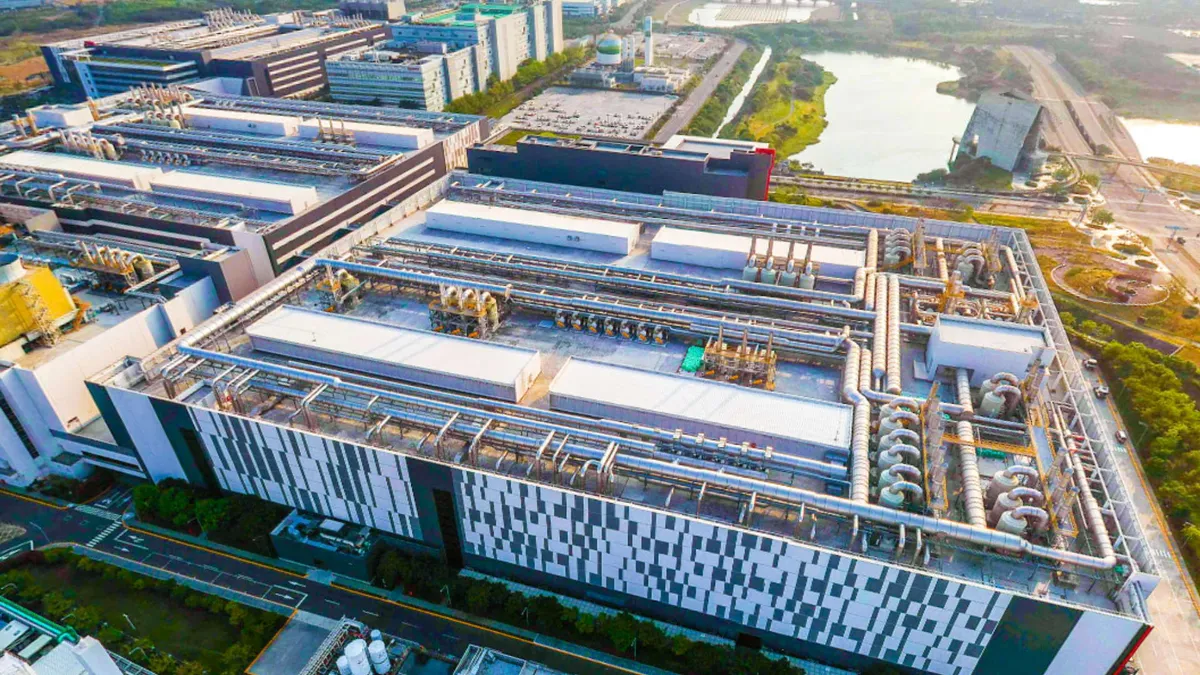
TSMC and Samsung are both building new chip fabrication and packaging facilities in America, with TSMC currently producing 4-nanometer chips in Arizona. TSMC plans on adding and Samsung's Taylor fab is due to be operational in the future. Samsung does currently run a mature node fab out of Austin. Even with more fabs operational, higher demands make it unlikely that American production can account for all demand. Either way, it seems likely this will result in higher costs for PC gaming hardware enthusiasts if exemptions pg168 ทางเข้า aren't made.
👉👈
1. Best gaming laptop:
2. Best gaming PC:
3. Best handheld gaming PC:
4. Best mini PC:
5. Best VR headset: